CIP Heat Exchanger Applications


Stock and Custom Heat Transfer Equipment

CIP heat exchanger applications require precision-engineered systems to maintain the integrity of milk and CIP products. These systems ensure efficient temperature regulation for sensitive materials, adhering to rigorous health and safety standards such as 3-A sanitary guidelines. We are committed to partnering with you to create the most effective, cost-efficient, and practical solutions for your heat transfer needs in pasteurization, cooling, and processing.

  • Pasteurization: Heat exchangers rapidly heat milk to kill pathogens while preserving nutritional value, essential for safe CIP products.
  • Cooling: Efficiently cool pasteurized milk or cream to prevent spoilage and maintain quality in CIP processing lines.
  • Clean-in-Place (CIP): CIP Heat Exchangers support sanitization protocols, ensuring high-purity conditions for sensitive food production.
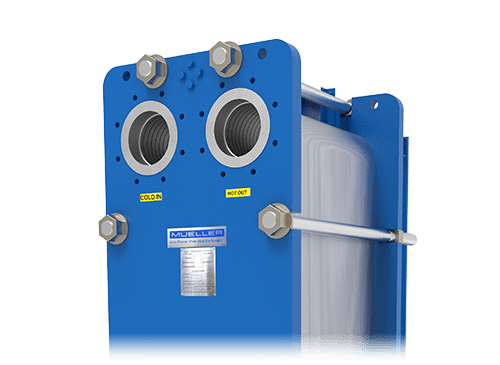
  • Plate & Frame: Compact designs with high efficiency, ideal for viscous CIP products like yogurt and cheese, built to 3-A standards.
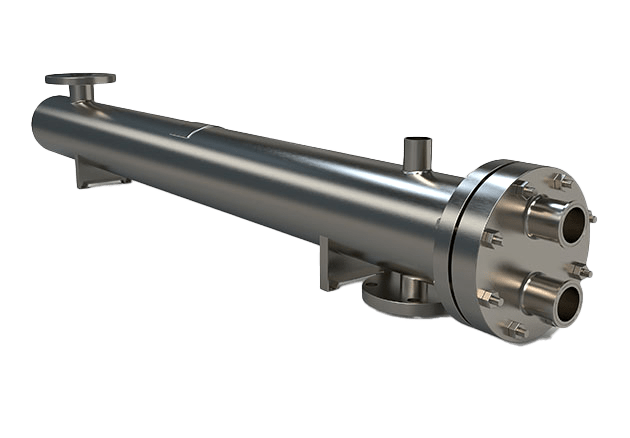
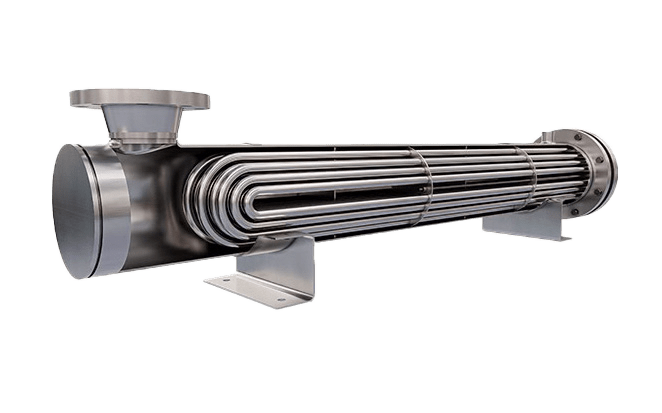
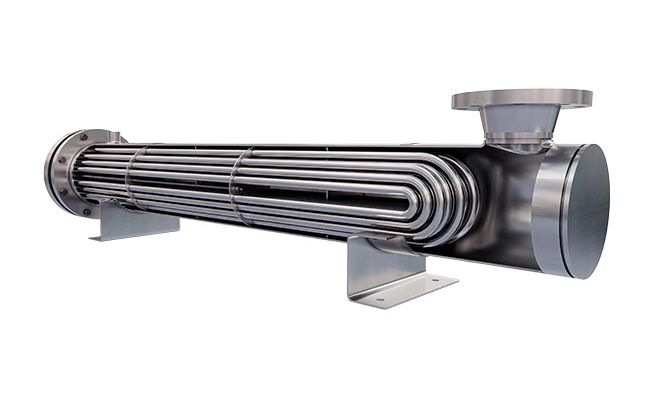
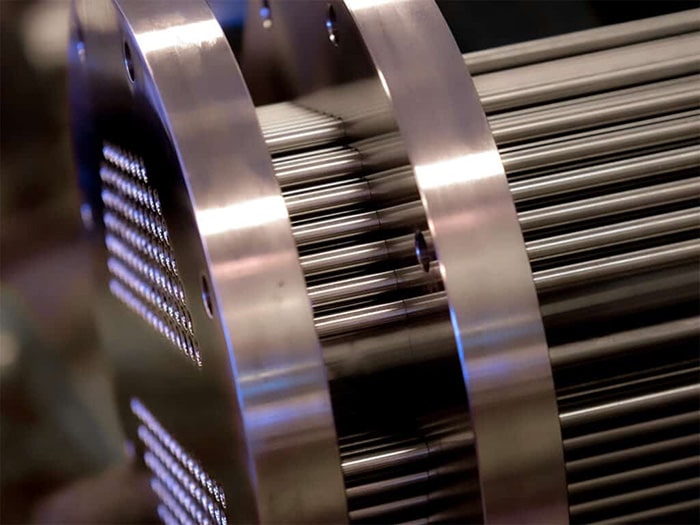
  • Shell & Tube: Robust units for high-pressure CIP applications, offering durability and easy maintenance in milk processing.
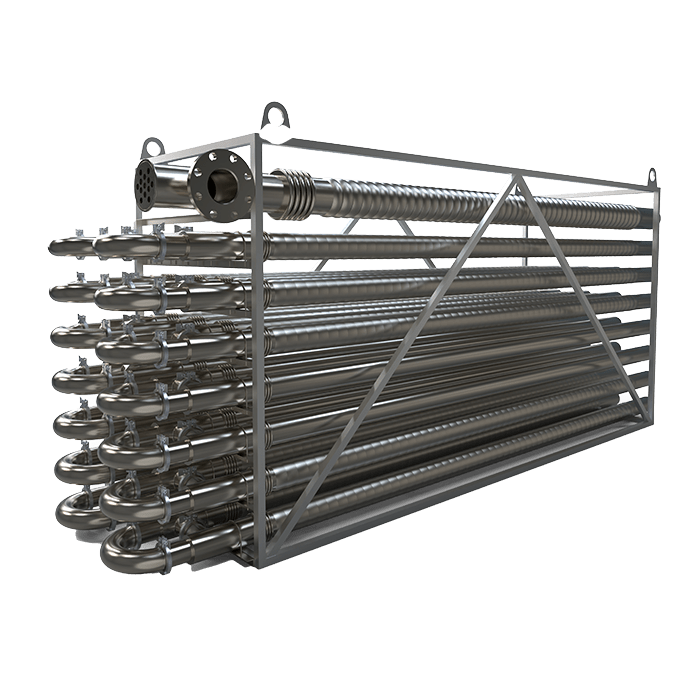
  • Tube-in-Tube: Gentle handling for particulate CIP products, customizable with sanitary fittings for optimal performance.

Shell & Tube
CIP Heat Exchangers
  • Robust for High-Pressure
  • Full Drainability
  • Double Tubesheet Options
Shell & Tube CIP Heat Exchanger
Plate & Frame
CIP Heat Exchangers
  • High Turbulence Cleaning
  • Easy Inspection & Maintenance
  • Wide-Gap for Particulates
Plate & Frame CIP Heat Exchanger

CIP Heat Exchanger Assembly

Comprehensive CIP Solutions

Since our inception, we've focused on providing top-tier heat transfer solutions, with a particular emphasis on CIP Heat Exchangers critical for industries where hygiene is paramount. Our expert engineers will guide you through the selection of the most suitable heat exchanger type for your application, including shell & tube and plate & frame designs for optimal CIP performance.

Each of these systems is designed to meet rigorous Sanitization standards required in the CIP sector, such as 3-A compliance. Shell & tube exchangers offer robust performance for high-volume CIP processing, while plate & frame units provide compact efficiency for viscous products. These solutions support everything from sanitary transfer lines to advanced CIP circuits.

We offer both off-the-shelf and custom-engineered heat transfer solutions at competitive prices. Our mission is to assist you through every phase, from sizing and selection to production, ensuring that your CIP processing equipment exceeds expectations for efficiency, safety, and longevity.

Common FAQs

A CIP heat exchanger is a device used in the food industry, where precise temperature control and hygiene are critical. CIP Heat Exchangers follow strict regulatory standards like 3-A to ensure safe processing of milk and products cooled or heated to specific temperatures. They are constructed from high-grade, corrosion-resistant materials, including stainless steel, and are built to support cleaning processes like Clean-in-Place (CIP) systems. They provide a safe, hygienic processing environment by preventing contamination and ensuring surfaces in contact with CIP fluids are easy to clean and maintain.

A Clean-in-Place (CIP) system is the most effective method for cleaning CIP heat exchangers. By circulating a cleaning solution through the exchanger without disassembly, CIP removes mineral deposits, biofilms, and residues from CIP processing. Typical stages include warm water pre-rinsing, an alkaline wash for organic debris like milk fats, an acid wash for mineral buildup, and a final rinse with clean water.

Sanitization with hot water or steam may be required for CIP applications to eliminate microorganisms. Regular CIP cycles maintain performance, extend equipment life, and minimize contamination risks in sanitary CIP production.

Regular cleaning cycles, inspections, and monitoring are necessary to maintain CIP Heat Exchangers and ensure they function correctly while adhering to hygienic standards. CIP systems use pre-rinse, alkaline, and acid cycles to remove organic waste and mineral accumulation from milk residues. Inspect components for wear or corrosion after each CIP, as they may require replacement.

Monitor performance metrics like pressure drops and temperature differentials to detect fouling or inefficiencies. Additional sterilization with hot water or steam ensures bacterial control in CIP applications. Preventive maintenance, including scheduled part replacements and recalibration, extends lifespan and complies with CIP health and safety regulations.

Cleaning agents for CIP heat exchangers are selected for thorough cleaning without damaging equipment or risking contamination. Common agents include:

  • Alkaline Detergents: Used to remove organic materials like proteins, fats, and milk residues in CIP applications.
  • Acidic Detergents: Phosphoric or nitric acid removes mineral deposits, such as calcium scale from milk.
  • Sanitizers: A final rinse with sanitizing solution or steam after washes ensures elimination of bacteria, creating a sterile environment for CIP processing.

These solutions circulate via CIP without disassembly. Proper rinsing between steps prevents chemical reactions.

CIP Heat Exchangers come in various configurations tailored for sanitary processing:

  1. Shell & Tube: Robust design for high-pressure CIP flows, ideal for large-scale milk heating or cooling with easy maintenance.
  2. Plate & Frame: Compact, high-efficiency units for viscous products like cream or yogurt, scalable and 3-A compliant.
  3. Tube-in-Tube: Gentle coaxial design for products with particulates, such as fruit yogurts, offering customizable sanitary fittings.
  4. Scraped Surface: Specialized for high-viscosity or crystallizing CIP like ice cream mixes, preventing fouling with mechanical scraping.

Quote Request Form:

Questions?

1-805-484-2992

Quotes - Engineering - Sales