
1-805-484-2992
Quotes - Engineering - SalesFour sections
The sizing path in order
1.
What is CIP?
Clean-in-place from the heating side: the six steps of a cycle, which of them draw steam, and what a correctly sized heater does to cycle time and chemical use. A caustic tank that reaches 160°F before the pump starts is the whole point of this section. Read it if CIP is new to you or new to your plant.
2.
Certifications & Design
Industrial utility stainless, sanitary drainable with tri-clamp ends, or 3-A where the inspector asks for the symbol on the CIP loop. Most CIP heaters are utility equipment and a mill finish is enough; these pages tell you when it is not, and what the pressure, temperature and connection ratings mean for the shell and the steam side.
3.
Define the Duty
The circuit and its chemical, tank recirculation or once-through, the flow in gpm, inlet and target temperature, and the steam pressure at the heater inlet. Add which side fouls and whether the bundle has to come out, and the duty is defined. The last page is the checklist of what to send with a quote request.
4.
Replace a Heater
A nameplate, an OEM model or a packaged hot-water generator can be matched to an equivalent complete unit, or to a new bundle or plate pack that drops into the frame you have. These pages show what to read off the old unit, what to measure when the plate is gone, and when a bundle-only swap is enough.
What the quote needs before anyone picks up the phone
The caustic circuit sets the pace. Dairy plants hold it at 160–175°F, breweries often at 140–160°F, so the heater target lands somewhere in 140–175°F depending on the plant. Steam at the heater inlet is usually 15–125 psig, and the figure that matters is the pressure after the control valve, not the boiler header. Both numbers go on the quote exactly as the plant runs them, because an extra 10°F of target or a drop from 50 to 15 psig steam changes the surface area more than any other variable.
Materials are simpler than they look. Everything the solution touches is 316L stainless: shell, bundle, solution-side heads. Carbon steel appears only on the steam head of a utility unit. The elastomer in the solution-side head gasket is EPDM for caustic and hot water, and FKM where the acid step uses nitric hot or often. State the chemical and its concentration, 1–2% sodium hydroxide or 0.5–1.5% acid, and the gasket picks itself.
Flow decides the shell. Line circuits run about 5 ft/s, which is roughly 70 gpm in a 3-inch line and 120 gpm in a 4-inch; tank circuits follow the spray devices and may run 100–300 gpm on a silo. A tank heater also needs the tank volume and the heat-up time the schedule allows, because a 2,000-gallon tank heated in 20 minutes needs three times the heater that the same tank gets in an hour. Send those figures, and the construction recommendation comes back without a call.
Removability is the last question and the one most often skipped. A caustic heater fouls on the solution side only, so the bundle has to come out at the interval the soil load dictates; that means a straight run beside the shell about the bundle length plus two feet, and a flanged steam head that unbolts. Put the heater in a corner with no pull clearance and the first milkstone season turns a one-hour bundle pull in to a cutting job. Write the clearance on the quote with the duty and the drawing comes back fitting the room you have.
Pressure and temperature ratings close the file: 150 psig at 250°F on the solution side covers the CIP pump and a hot sanitize; the steam side is rated for the header, usually 150 psig at 400°F. Tri-clamp to 4 inches or flanged above it, and the plant's preference for a sanitary drainable layout or a mill-finish utility heater, finish the specification.
Related
Sizing & Selection
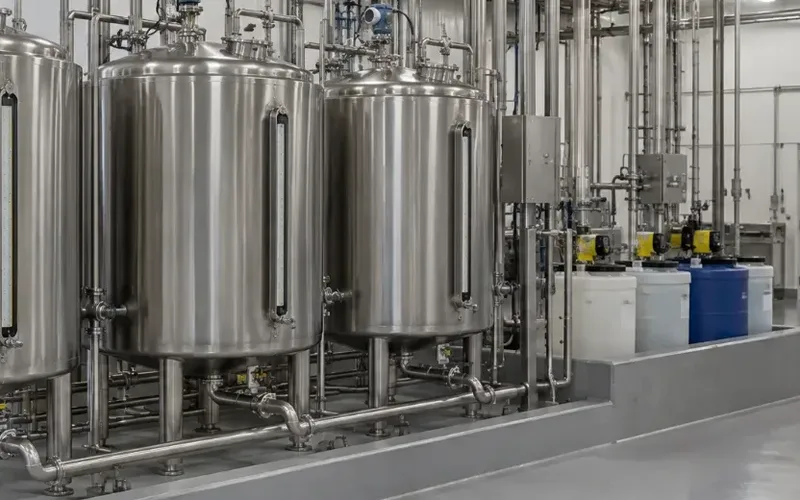
Circuit, Chemical & Concentration
Caustic, acid, rinse or recovery, which chemical and at what strength. Why those three answers decide the metal and the gasket before a single Btu is counted.
+ Learn More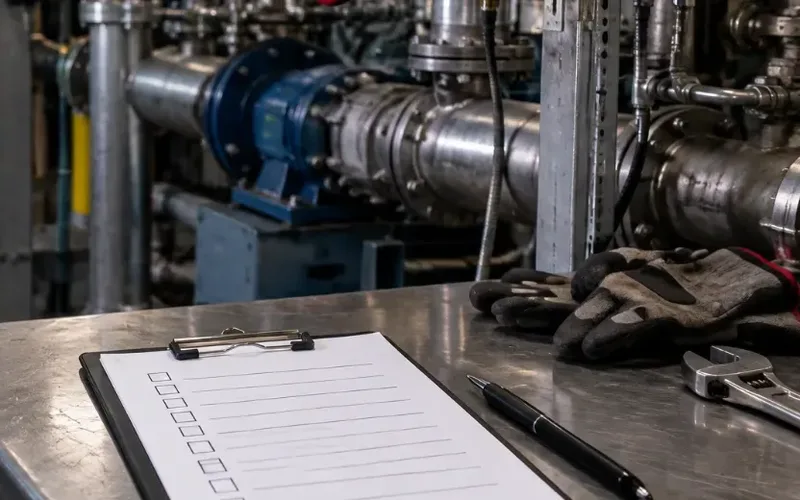
Sizing & Selection
What to Send for a Quote
The complete list of what a CIP heater quotation needs, grouped the way we read it, with the figure that is most often missing from each group and why it matters.
+ Learn More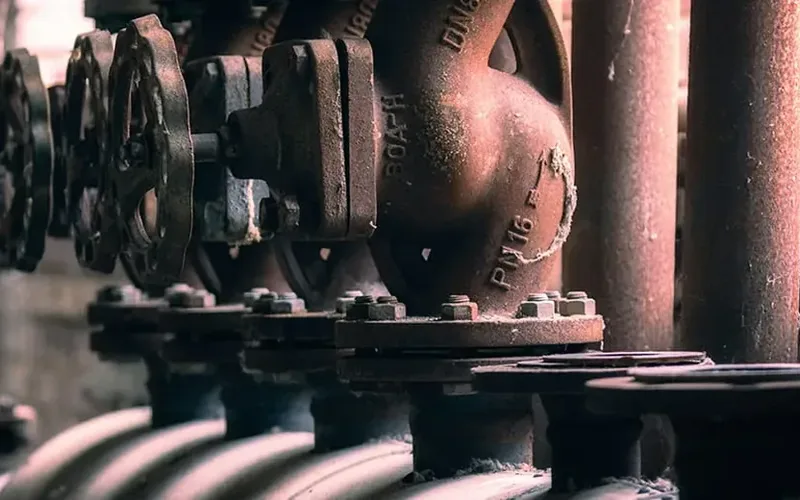
Sizing & Selection
Replace a Heater
A worn CIP heater can be matched from its nameplate or OEM model number, or renewed one piece at a time with a new bundle or plate pack. Here is how to decide.
+ Learn More
