
1-805-484-2992
Quotes - Engineering - SalesThe shell is usually fine; the bundle is usually not
On a steam-to-caustic heater the bundle does all the work and takes all the wear. Its tubes see 250°F steam inside and milkstone outside, its U-bends flex every time the steam valve opens, and its tube-sheet joint is cycled hot and cold several times a day. The shell, by contrast, holds warm caustic at pump pressure and does nothing else. After ten or fifteen years the bundle is thin and the shell is as good as the day it was installed, which is why a new bundle rather than a new heater is the common answer.
What decides between the two
A replacement bundle is a new part, built to the dimensions of the one in service: the same tube-sheet diameter and bolt pattern, the same tube length and count, the same baffle spacing and nozzle orientation, in 316L, so it slides into the existing shell and the existing heads bolt back on. The steam piping, the control valve, the trap and the solution connections do not move. The plant is down for the pull and the fit, not for a rebuild of the sanitation room. Nothing on the old bundle is reused; it goes to scrap once the new one is proven.
A plate pack follows the same logic on a gasketed exchanger. The frame, with its fixed plate, follower and tightening bolts, carries little load and lasts; the plates and gaskets carry the duty. A new plate pack is a set of new 316L plates with new gaskets in the elastomer the chemistry needs, hung on the existing bars between the existing covers. Where the pack has been gasketed in EPDM and the plant has since added a nitric acid step, the new pack goes in with FKM and the original frame carries on.
Buy the bundle or pack when
- The shell or frame is sound, with no pitting under the deposit and no distortion at the flanges
- The duty has not changed: same circuit, same gpm, same target, same steam pressure
- The existing nozzles, supports and head bolt pattern are worth keeping, and the piping is fixed around them
- Downtime is the cost that matters, and a pull-and-fit is a shift rather than a week
- The old bundle can be measured, or its nameplate and drawing are on file
new bundle, old dimensionsA replacement bundle is a new 316L part to the tube-sheet diameter, tube length and bolt pattern of the one in service, so the shell, heads and steam piping all stay put.
When the whole heater should go
A new bundle in a shell that has its own problems is money spent twice. These are the conditions under which we will say so and quote the complete heater instead.
- Pitting or chloride attack in the shell wall, usually found under the thickest deposit near the outlet
- A duty that has grown: more gpm, a hotter target, or lower steam pressure than the old bundle was sized for
- A shell-side rating or finish that no longer meets what the plant or its inspector now requires
- A fixed-tube design with no removable bundle, which cannot take a swap at all
- A frame whose bars are worn or whose follower is sprung, so a new pack will not seal evenly
Call and talk it through with an engineer: 1-805-484-2992
Measuring for the swap
A new bundle is built from dimensions, and the dimensions come from the old one or from its drawing. The figures that matter are the tube-sheet outside diameter and thickness, the bolt circle and hole count, the tube outside diameter and count, the tube length from the tube-sheet face to the end of the U-bend, the baffle count and spacing, the position of the inlet and outlet nozzles relative to the tube sheet, and the gasket surface. A nameplate photograph gives the design conditions and often the surface area to check against.
If the drawing is lost and the bundle is still in the shell, we work from the nameplate, the shell outside diameter and length, and the connection sizes, and confirm the rest when the old bundle is pulled. The new bundle is not started until the measurements are confirmed, because a tube sheet a quarter inch too large does not go in and one a quarter inch too small does not seal. Where the plant can pull the old bundle first and send photographs with a tape measure in frame, the quotation goes firm the same week.
A plate pack is measured differently. We need the plate make and model if it is legible, the plate count, the frame's hanging bar dimensions and plate length, the port diameter and position, and the gasket material now in service. A photograph of one plate laid flat beside a tape, and one of the frame's data plate, usually settles it. The new pack is supplied as plates with gaskets fitted, counted and arranged in the pass pattern the duty needs, which may differ from the old one if the duty has moved.
The decision is not always obvious from the floor. A bundle that failed early, within two or three years, is telling you the duty or the chemistry changed and a like-for-like replacement will fail the same way. Tell us when the old one went in, what it was sized for and what the circuit runs at now. If the two differ, the new bundle is built to the new duty within the old envelope, and if the envelope is too small we say so and quote the heater.
Lead time favors the swap. A bundle to known dimensions is built without a shell, heads or supports, and ships on a cradle ready to slide in. A complete heater is a longer job and a larger crane. For a plant that has a caustic heater down and a wash schedule to keep, the swap is often the diffrence between a lost shift and a lost week, which is why we ask about the shell's condition first and the price second. The replacement bundles and plate packs pages cover the parts themselves.
A tube sheet a quarter inch too large does not go in; one a quarter inch too small does not seal.
Measure the old bundle before the new one is started, not after it arrives.
Request a QuoteBundle or pack questions
Sometimes. Within the same tube-sheet diameter and length we can change tube count, tube diameter and baffle spacing, and a move from 1-inch to 3/4-inch tubes adds surface in the same envelope. The limit is shell-side velocity and pressure drop, which rise as the bundle gets denser. If the duty has grown beyond what the envelope can hold, a longer shell or a complete heater is the right answer.
Usually, provided the frame is sound and the plate dimensions, port layout and hanging geometry are matched, which is what we measure for. The plate pattern itself need not be identical as long as the pack seals on the frame and delivers the duty. We ask for the frame data plate, plate count, bar dimensions and a photograph of one plate, and we confirm fit before the pack is made.
It will not, unless whatever shortened the first one is corrected. Three years points to chloride in the circuit, acid passing a gasket not meant for it, wet steam, or a duty the bundle was never sized for. Tell us the history and we will build the replacement to the conditions as they are now, with FKM where nitric runs, a higher allowance where the water is hard, or more surface if the steam pressure has dropped.
Related
Sizing & Selection
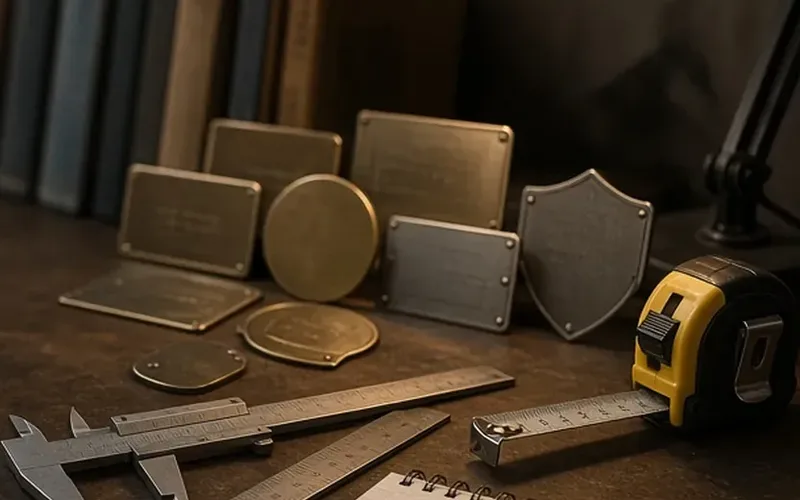
Match a Nameplate or OEM Model
The nameplate on an existing CIP heater carries most of what a replacement needs. How to read it line by line, what it leaves out, and how it becomes a new unit.
+ Learn More
Sizing & Selection
What to Send for a Quote
The complete list of what a CIP heater quotation needs, grouped the way we read it, with the figure that is most often missing from each group and why it matters.
+ Learn More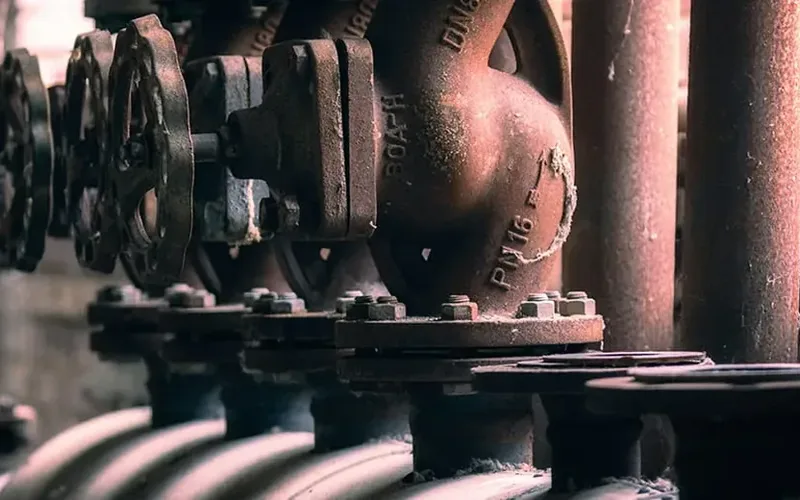
Sizing & Selection
Replace a Heater
A worn CIP heater can be matched from its nameplate or OEM model number, or renewed one piece at a time with a new bundle or plate pack. Here is how to decide.
+ Learn More