
1-805-484-2992
Quotes - Engineering - SalesAseptic filling
Heating the CIP loop that protects a sterile filler
An aseptic filler puts cold-chain-free product into a sealed package, which means every surface downstream of the final heat treatment has to be clean before it is sterilized. The CIP circuit through the filler valves, product manifold, surge tank and dosing nozzles is therefore not a utility loop. Sanitation treats it as part of the sterile boundary, and the heater that warms it inherits that status: tri-clamp connections, a self-draining shell, 32 Ra on the solution side, and no pocket where a wash leaves a puddle.
The soil is mostly product film in valve seats and nozzle tips, with a protein or starch component from dairy-based and plant-based drinks. Sanitation leans on the hot end of the caustic range to lift it, 1.5–2% sodium hydroxide at 170–175°F, followed by an acid step and a hot-water sanitize that holds 190°F at the return for at least 5 minutes at the coldest valve. That sanitize temperature is the sizing case for many aseptic lines, not the caustic.
Flow through a 3-inch filler manifold is about 70 gpm. Raising 70 gpm from a 60°F supply to 175°F once-through is roughly 4 MBtu/h, which is why aseptic lines usually heat a CIP tank and hold it rather than heat the line cold on every cycle.
Reach 190°F at the coldest valve, not just at the heater outlet
The filler's sanitize step is proven at the return thermometer and at the nozzle farthest from the supply. Pipe losses and cold valve blocks take 5–10°F off the heater outlet, so the heater is sized to deliver more than the specification asks.
The circuit: hot caustic, hotter water, a sanitary loop
Aseptic CIP runs long and hot. Pre-rinse at 100–120°F for 5–10 minutes clears loose product, then caustic at 175°F circulates for up to 45 minutes through valves that are cycled open and closed by the filler controller so every seat sees solution. A nitric or phosphoric step at about 1% and 130–140°F follows on a schedule, and the cycle finishes with water pushed to 190°F and held until the return thermometer has proven the time. Full cycles of 60–90 minutes are common.
Because the loop is treated as sanitary, the circuit is drained between steps and the tank is dumped and refilled more often than on a utility circuit. The heater sees cold water at the start of every rinse, so it cannot rely on a warm tank the way a brewhouse heater can.
The heater: a sanitary U-tube for caustic and for sanitize water
A U-tube shell-and-tube with steam inside the tubes and solution in a 316L shell covers both the 175°F caustic and the 190°F water from one heater. Steam at 50 psig condenses at 298°F, which leaves more than 100°F of approach to the sanitize target and keeps the surface compact. The bundle pulls for inspection of the solution side, which matters where sanitation audits the CIP equipment along with the filler. We build it with 4-inch and smaller tri-clamp connections, a 32 Ra solution side, a shell that drains through a low-point connection, and an EPDM head gasket, FKM when nitric is the acid of choice.
If the plant would rather heat the loop inline than hold a tank, tell us the gpm and the inlet temperature at the coldest start and we size for the 4 MBtu/h case with a control valve that can still turn down to the hold condition.
What to send for an aseptic filler circuit
Aseptic lines are specified tighter than most, and the quote is only as good as the limits you give us. A short list covers it; the filler validation protocol usually has every number already.
- Sanitize temperature and hold time required at the return
- Caustic concentration and wash temperature from the validation protocol
- Manifold size and CIP supply flow in gpm
- Whether the circuit heats a tank or heats inline
- Steam pressure available at the filler mezzanine
- Finish, drainability and 3-A expectations from your inspector
- Acid used, so the head gasket elastomer is right
Call and talk it through with an engineer: 1-805-484-2992
Aseptic line questions
Yes, and on an aseptic filler it usually should. The sanitize case needs the most heat, so a U-tube sized for 190°F water at the loop flow has margin to spare on 175°F caustic. The control valve does the rest. The one thing to confirm is that the tank and supply pump can deliver the sanitize flow with the filler valves cycling, since dead-ended valve blocks cool fast.
Ask your inspector before you ask us. On many aseptic lines the CIP heater is accepted as utility equipment because it never touches product, and 316L with tri-clamp ends and a drainable shell satisfies the audit. Where the plant's program lists the CIP loop as a product-contact system, we build to 32 Ra on the solution side with a 3-A symbol on the heads.
Because aseptic plants run the acid step more often than a brewery would, and many use nitric because it also passivates the stainless. EPDM handles caustic and hot water for years but hardens under frequent hot nitric exposure, and a hard head gasket on a sanitary heater is a leak path straight into the audit. FKM on the solution-side head gasket removes the question.
Size it for the coldest start, not the average. A rinse that begins with 60°F city water in winter asks the heater for far more than the same rinse in August, and the sanitize hold clock does not start until the return reads 190°F. Give us both the summer and winter inlet temperatures and we size for the worst of them.
Downstream of the CIP supply pump and upstream of the filler supply valve, with the shell drain at a low point and the steam side trapped below the bundle. Leave bundle-pull clearance equal to the shell length on the head end. On filler mezzanines that clearance is the item most often forgotten, and a bundle that cannot come out is a heater that cannot be inspected.
Related
Applications
Bottled Water Filtration CIP
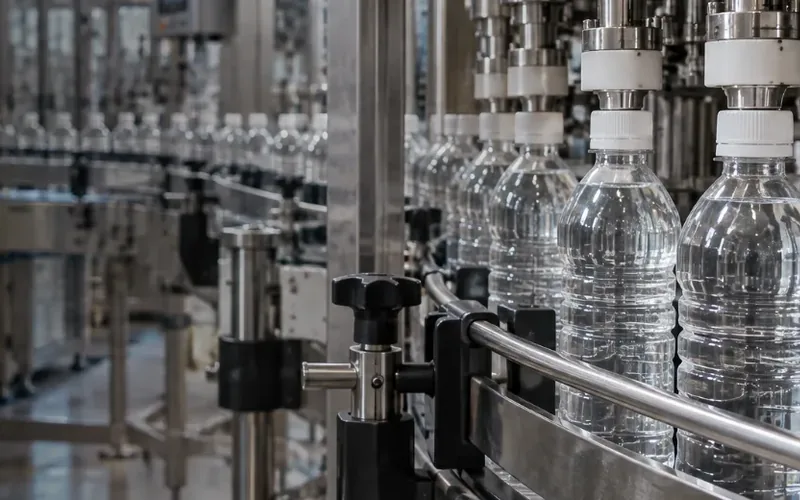
Filtration circuits are the one CIP duty where too hot is the common fault. How a membrane ceiling of 113°F changes the heater choice and the control around it.
+ Learn More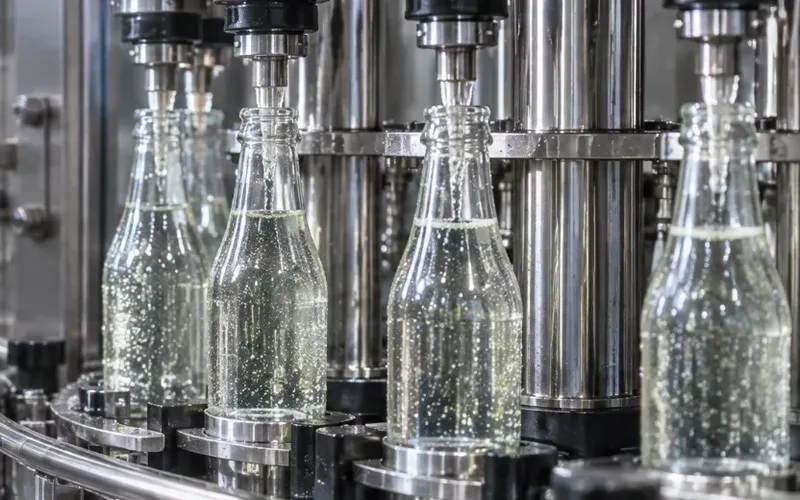
Applications
Filler & Bottling Rinse
A filler sanitize is a time-at-temperature test at the coldest valve, not at the heater. Why bottling lines get a once-through heater sized for the full rise.
+ Learn More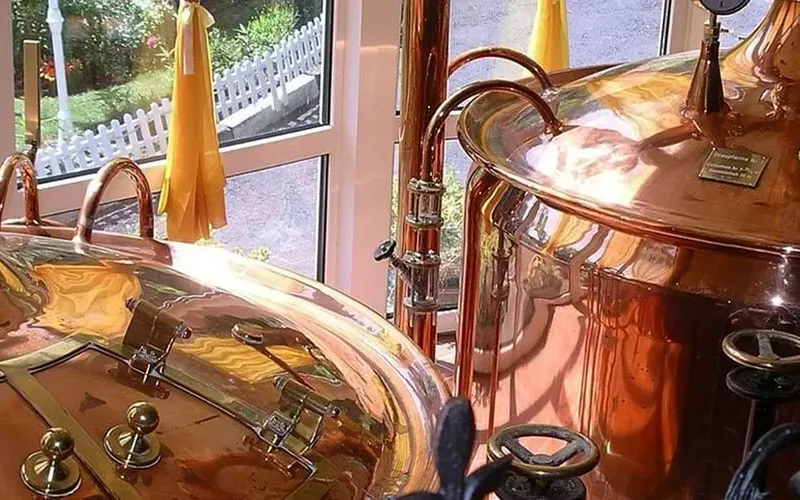
Applications
Brewhouse & Fermenter
Kettles want hot caustic, fermenters knock it cold and CO2 turns it to carbonate. How we size the brewery caustic heater around the cellar instead of the brewhouse.
+ Learn More
