
1-805-484-2992
Quotes - Engineering - SalesLine circuit
A CIP heater for antibiotic transfer lines
Antibiotic manufacture moves fluid a long way: from fermenter to harvest tank, through filtration and extraction, to crystallizer and dryer feed. The lines that carry broth, mycelium-laden harvest and solvent-rich intermediate are cleaned as pipeline circuits, not as tanks. There is no spray device and no vessel to fill, just a loop of 2-inch or 3-inch tube that has to see wash solution at velocity and at temperature from the first fitting to the last. The soil is fermentation residue, cell mass that has dried against the wall during a slow transfer, and in extraction areas a film left by the organic phase.
A line circuit is cleaned by velocity as much as by chemistry, so the pump sets about 5 ft/s in the tube, which is roughly 30 gpm in a 2-inch line and 70 gpm in 3-inch. The solution either comes from a recirculating CIP tank or is made up and pumped once through, and in antibiotic plants once-through is common because the lines are long, the hold-up is large and nobody wants to return solvent-contaminated caustic to a tank. That puts the heater inline, between the supply pump and the line, with the job of lifting the full flow from makeup temperature to the wash set point on every pass and holding it there while the flow changes.
Inline heat has to keep up with a line circuit
Once-through, 70 gpm of caustic coming in at 60°F and leaving at 155°F is a 95°F rise and about 3.3 MBtu/h. There is no tank to blend a cold slug away, so the heater and its steam valve carry the whole temperature on their own.
Chemistry and temperature on broth lines
Fermentation residue comes off with 1–2% sodium hydroxide at 150–170°F, and the plant usually settles near 155°F to protect the elastomers in its own line valves and sample ports. The acid step is phosphoric rather than nitric in most antibiotic plants, 0.5–1% at 120–140°F, because phosphoric is kinder to the plant's gaskets and the mineral load from broth salts is light. Nitric appears where a plant has hard water scale to shift, and then the heater's own head gasket moves from EPDM to FKM.
Velocity is what the line circuit lives on. Below about 5 ft/s the caustic slides over dried mycelium instead of scouring it, and a dead leg off a sample valve stays cold and dirty no matter how hot the main run is. A 500-foot run of 3-inch tube holds roughly 170 gallons, so a once-through circuit at 70 gpm takes two to three minutes just to displace the previous fluid, and the heater has to be at temperature before that front reaches the far end.
An inline U-tube built for the pass
The construction is a U-tube shell-and-tube with steam in the tubes and the caustic or acid in a 316L shell, sized for the highest line flow and the full temperature rise in a single pass. At 70 gpm and a 95°F rise the duty is about 3.3 MBtu/h, which condenses roughly 3,400 lb/h of 15 psig steam; at 50 psig, condensing at 298°F, the bundle gets shorter and the response to a flow step gets quicker. We size on the 3-inch flow and check the steam valve turndown at the 2-inch flow of 30 gpm so the same heater serves both line sizes.
Antibiotic plants treat the transfer lines as part of the sanitary boundary, so the shell side is 32 Ra, drainable to a low-point tri-clamp, and the bundle pulls without disturbing the steam piping. We put the RTD for the step record at the heater outlet and recommend a second one at the circuit return; the difference between the two tells the sanitation group how much the line is losing to the room and whether the set point needs a margin.
Sizing an antibiotic line heater
Line circuits are quick to size when we know the line and the step. The items below are what the sizing turns on.
- Line size and length of the longest circuit
- Once-through or return to a CIP tank
- Caustic strength and set point; phosphoric or nitric on the acid step
- Makeup water temperature at its coldest
- Steam pressure at the heater inlet
- Finish and drainability the line is held to
Call and talk it through with an engineer: 1-805-484-2992
Antibiotic line questions
Not the construction, but it changes the circuit. Plants that wash solvent-contacted lines usually run once-through so the caustic is not returned to a tank carrying organic phase, and that means the heater must deliver full temperature on the first pass. The 316L shell side is unaffected by the trace solvent in wash water. Tell us the solvent so we can confirm the EPDM head gasket.
Because a heater that is short on surface at 70 gpm cannot be fixed with more steam, while a heater sized for 70 gpm turns down to 30 gpm with a properly selected steam valve. Surface is what the 3-inch line needs; valve rangeability is what the 2-inch line needs. One U-tube unit sized for the larger flow handles both when the valve is picked with it.
An uninsulated 3-inch stainless run in a cool room loses a few degrees per hundred feet at 155°F wash temperature, more in an open yard. On a 500-foot circuit the return can read 10°F below the supply. We set the heater outlet above the step set point by that margin, and the return RTD confirms the far end of the line still meets the protocol.
Phosphoric acid works at 120–140°F, which is far below the caustic set point, but it is still above most makeup water. If the acid step is made up fresh from 60°F water, the same inline heater lifts it, at a lower steam valve position. With the plant's permission we also use the residual heat in the line from the caustic step and let the acid pass take a smaller rise.
Related
Applications
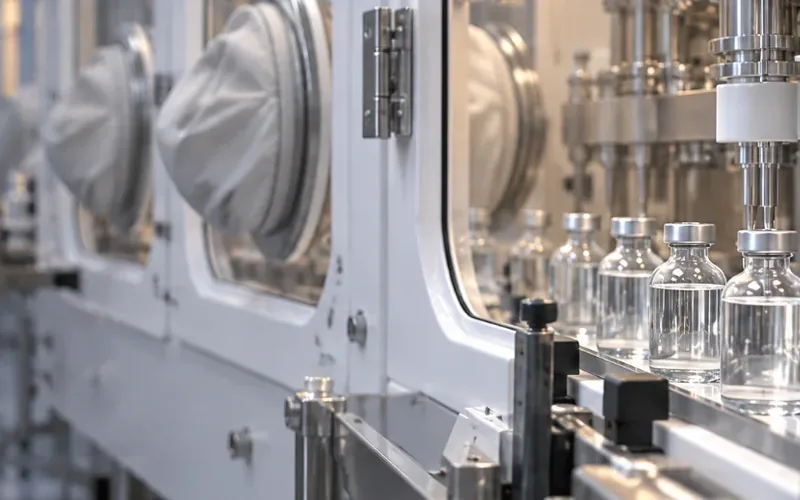
Vaccine Production Equipment CIP
Bioreactors, media and buffer vessels in a vaccine suite are cleaned often. The heater that gets each vessel's caustic and hot rinse to set point, on record.
+ Learn More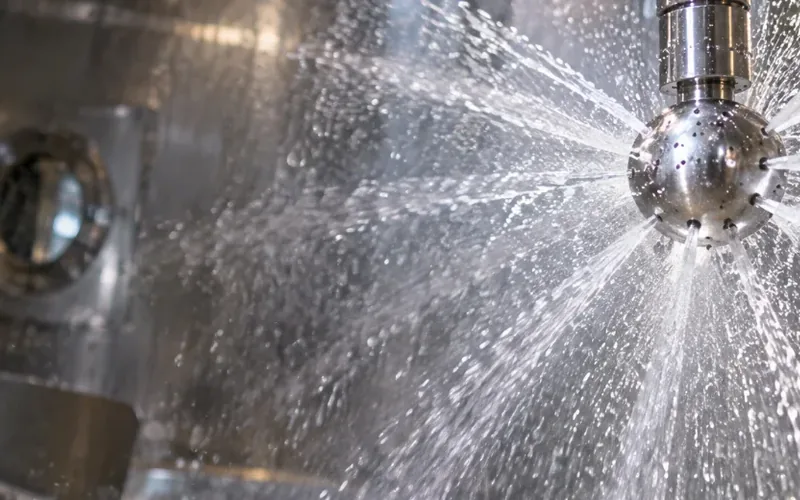
Applications
Tank Sterilization & CIP
A tank that goes in to sterilization dirty comes out sterile and dirty. The heater behind the caustic, acid and hot rinse steps that make the tank ready for it.
+ Learn More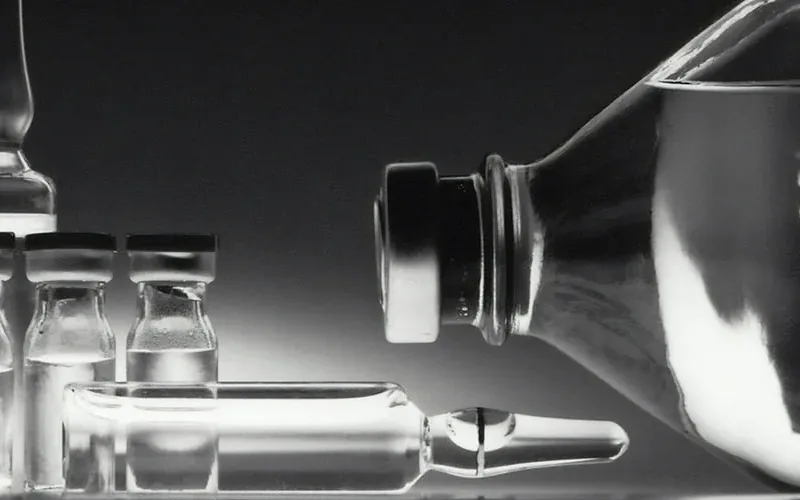
Applications
Purified Water Loop CIP
A purified water loop is kept clean with heat, not chemicals. The steam-to-water exchanger that lifts the whole ring to 180°F and holds it for the sanitize step.
+ Learn More